Forex Broker Licensing Requirements Explained
A clear, comprehensive, and practical breakdown of global forex broker licensing requirements, helping traders understand the regulatory landscape for safety and choices.
- Author
- InvestLegacy contributor
- Originally published
- Editorially modified
- Fact-checked
- Not yet fact-checked
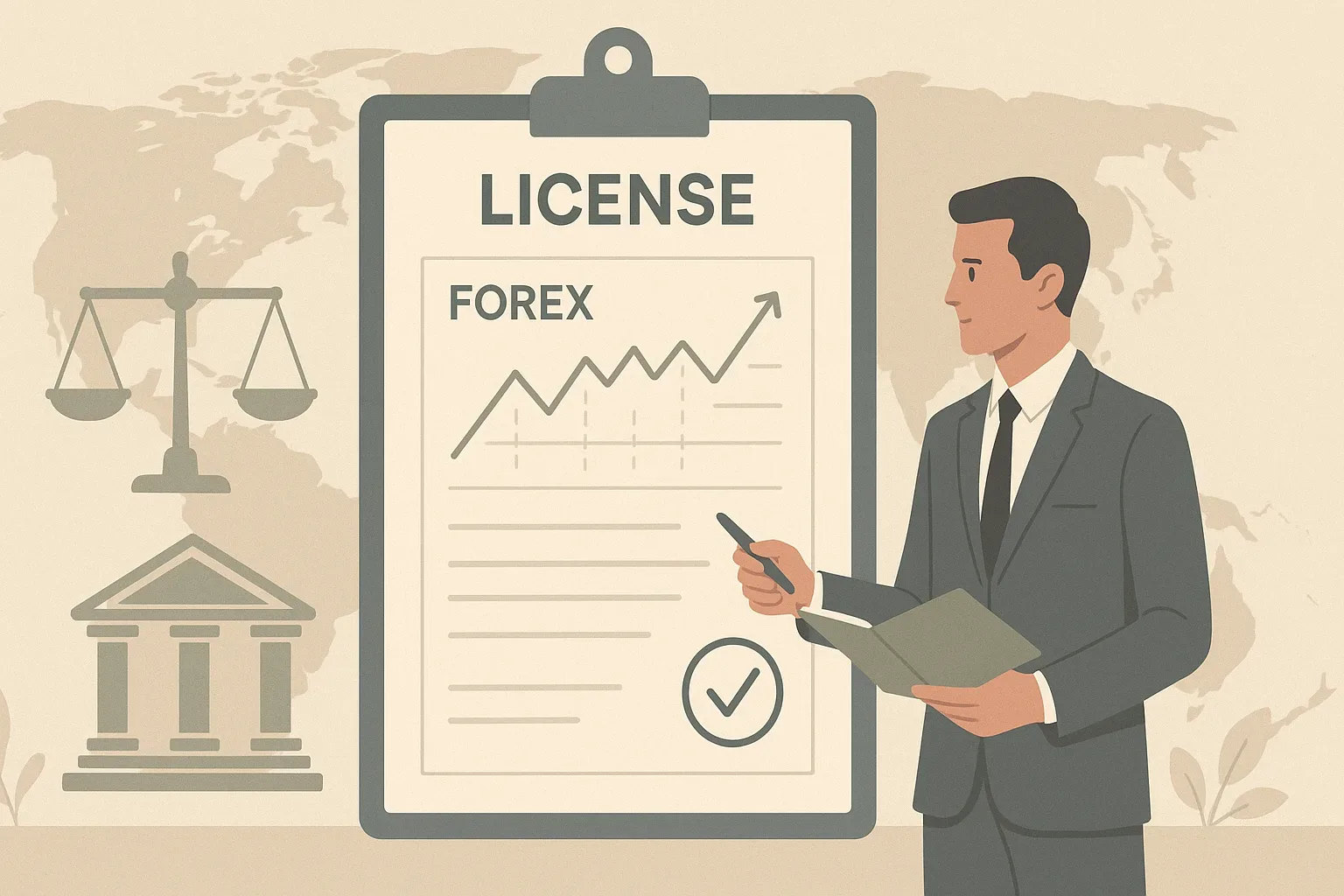
The regulatory framework surrounding forex brokers is designed to protect traders, ensure market integrity, and foster a transparent trading environment. Without robust licensing, the forex market would be a far more perilous place for retail participants.
Understanding Forex Broker Licensing: Why Regulation Matters to Traders
For traders, a broker's license is more than just a badge of honor; it is a critical indicator of reliability and safety. Regulation brings a structured framework to an otherwise volatile market, ensuring that brokers adhere to specific standards of conduct, financial stability, and operational integrity. When a forex broker is licensed by a reputable authority, it means they have undergone rigorous scrutiny, demonstrated financial solvency, and committed to operating transparently and ethically. Unregulated brokers, conversely, operate without oversight, exposing traders to risks such as fraud, price manipulation, and the potential loss of their entire investment with little to no recourse.
What exactly does a forex broker license signify for a trader?
For a trader, a forex broker license signifies that the broker is legally authorized to offer financial services in a particular jurisdiction and is subject to the oversight of a specific regulatory body. For example, if a licensed broker faces insolvency, segregated client funds are typically protected from the broker's creditors, offering traders a critical safeguard that is absent with unregulated entities.
The Essentials: What Constitutes a Forex Broker License?
A forex broker license is essentially a formal permit issued by a governmental or quasi-governmental financial regulatory authority, granting a company the legal right to operate as an intermediary in the foreign exchange market. Licenses are not universal; a license in one jurisdiction does not automatically confer the right to operate in another. Brokers often hold multiple licenses to serve clients in different regions, each demanding adherence to local regulations.
Universal Prerequisites: Common Licensing Requirements for Brokers
While specific requirements vary by jurisdiction, several universal prerequisites underpin forex broker licensing globally. Firstly, the applicant must typically be a legally registered entity in the jurisdiction where it seeks to operate, with a defined corporate structure and transparent ownership. Secondly, robust capital requirements are fundamental, ensuring the broker has sufficient financial resources to operate, absorb potential losses, and fulfill its obligations to clients. Thirdly, the management and key personnel of the broker must pass "fit and proper" tests, assessing their integrity, competence, and financial soundness. Fourthly, comprehensive risk management frameworks are mandatory, detailing how the broker identifies, assesses, monitors, and mitigates operational, market, credit, and liquidity risks. Additionally, brokers must establish clear procedures for handling client complaints and disputes, implement stringent Anti-Money Laundering (AML) and Counter-Terrorist Financing (CTF) policies, and ensure data security and privacy for client information. These prerequisites form the bedrock of a safe and reliable brokerage operation.
What are the fundamental requirements for a forex broker to obtain a license?
To obtain a forex broker license, a firm must meet several fundamental requirements. The broker must also implement robust internal systems for risk management, internal controls, and corporate governance. Crucially, they must have clear policies for client fund segregation, ensuring that client money is held separately from the firm's operational capital. Finally, the broker must commit to ongoing reporting, auditing, and compliance with the regulator's rules regarding fair trading practices, advertising, and client communication.
Global Regulators Unpacked: A Deep Dive into Key Jurisdictions (e.g., FCA, ASIC, CySEC, NFA)
Different jurisdictions boast different regulatory strengths and focuses, significantly impacting the level of protection offered to traders. It imposes high capital requirements, mandates segregated client accounts, and offers robust investor compensation schemes like the Financial Services Compensation Scheme (FSCS), protecting eligible clients up to £85,000 in case of broker insolvency. The Australian Securities and Investments Commission (ASIC) is another leading regulator, known for its comprehensive oversight and investor protection measures. ASIC-regulated brokers also adhere to strict capital requirements and fund segregation rules, although Australia does not have an equivalent compensation scheme to the UK's FSCS. In the European Union, the Cyprus Securities and Exchange Commission (CySEC) is a prominent regulator, particularly due to Cyprus's role as a major hub for forex and CFD brokers serving EU clients under MiFID II directives. CySEC-regulated brokers participate in the Investor Compensation Fund (ICF), offering protection up to €20,000. In the United States, the regulatory landscape is dominated by the National Futures Association (NFA) and the Commodity Futures Trading Commission (CFTC). This environment is exceptionally strict, with high capital requirements for brokers and a ban on CFDs for retail traders. US regulators also prohibit hedging, meaning traders cannot hold both long and short positions on the same currency pair simultaneously.
Which major regulatory bodies govern forex brokers globally, and what are their key distinctions?
Major regulatory bodies globally include the Financial Conduct Authority (FCA) in the UK, known for its stringent oversight, high capital requirements, and robust investor protection via the FSCS. The Australian Securities and Investments Commission (ASIC) is another leading authority, emphasizing strong consumer protection and operational transparency, though without a direct compensation scheme like the FSCS. In the European Union, the Cyprus Securities and Exchange Commission (CySEC) is a significant regulator for brokers operating under MiFID II, offering investor compensation through the ICF. The National Futures Association (NFA) and the Commodity Futures Trading Commission (CFTC) govern the highly regulated US market, characterized by very high capital requirements, a ban on CFDs for retail traders, and restrictions like the prohibition of hedging. Key distinctions lie in their specific capital adequacy thresholds, the existence and scope of investor compensation funds, restrictions on trading instruments (like CFDs), and rules around leverage and hedging, all impacting the level of trader protection and available trading options.
Financial Fortitude: Explaining Capital Requirements and Client Fund Segregation
Capital requirements dictate the minimum amount of operational capital a broker must hold. This serves multiple purposes: it acts as a buffer against unforeseen losses, demonstrates the broker's financial stability, and ensures they have sufficient funds to cover operational costs and maintain liquidity without relying on client deposits. Higher capital requirements generally indicate a more financially robust broker. Client fund segregation, on the other hand, is a critical protective measure designed to separate client money from the broker's operational funds. In the event of the broker's insolvency or bankruptcy, these segregated funds are protected from the broker's creditors, ensuring that client money can be returned to its rightful owners rather than being used to pay off the broker's debts. This mechanism is a fundamental safeguard against the misuse of client funds and significantly reduces the risk of total loss for traders if their broker encounters financial difficulties.
How do capital requirements impact a broker's licensing and a trader's security?
Capital requirements significantly impact a broker's licensing by setting a high bar for entry, ensuring that only financially stable entities can operate. Regulators impose minimum capital thresholds that brokers must maintain, demonstrating their ability to absorb potential losses and fulfill their financial obligations without jeopardizing client funds. For a trader, these requirements directly enhance security because they provide a buffer against the broker's insolvency. A broker with substantial capital is less likely to collapse due to adverse market movements or operational missteps. This financial fortitude means there's a greater likelihood that the broker can meet withdrawal requests and compensation claims, protecting traders from the risk of losing their deposits due to the broker's financial distress.
Beyond the Application: Ongoing Compliance and Operational Standards
Obtaining a license is merely the first step; maintaining it requires continuous adherence to rigorous ongoing compliance and operational standards. Licensed brokers are subject to regular audits and must submit periodic financial reports to their respective regulators, demonstrating continued financial health and adherence to capital requirements. They must maintain robust internal controls, including strict oversight of trading execution, transparent pricing models, and fair treatment of clients. Regulators often impose rules around marketing and advertising, ensuring brokers do not make misleading claims or engage in aggressive solicitation practices. Dispute resolution mechanisms must be in place, allowing clients to lodge complaints and seek redress.
What ongoing compliance obligations do licensed brokers adhere to, and how do they protect traders?
These include regular submission of financial reports and audited statements to regulators, ensuring they consistently meet capital requirements and maintain financial solvency. They must uphold stringent Anti-Money Laundering (AML) and Counter-Terrorist Financing (CTF) procedures, verifying client identities and monitoring transactions to prevent illicit activities. Brokers are required to maintain transparent pricing, fair order execution policies, and avoid conflicts of interest, often by employing a 'best execution' policy. They must also have established internal procedures for handling client complaints promptly and fairly, with access to external dispute resolution services.
How to Verify a Forex Broker's License and Spot Red Flags
Verifying a forex broker's license is a critical step before depositing any funds. The most reliable method is to always check the information directly on the regulator's official website, not through links provided by the broker. Visit the website of the relevant regulatory authority (e.g., FCA.org.uk, ASIC.gov.au, CySEC.gov.cy) and use their public register or search function. Search for the broker's legal entity name and its stated license or registration number. Crucially, three elements must align: the legal entity name, the reference number, and the specific permissions granted by the license. Be wary if the license number belongs to a different company, if the firm is only authorized for unrelated activities, or if the name is similar but not an exact match. Red flags include brokers claiming to be regulated by obscure or offshore authorities known for lax oversight, a lack of transparency regarding their physical address or corporate structure, aggressive sales tactics, guaranteed returns, or resistance to providing detailed regulatory information. Always cross-reference any claims with the regulator's direct public database. Also, check the regulator's warning lists for unauthorized firms or clone operations that mimic legitimate entities.
How can traders verify a forex broker's license and ensure its legitimacy?
To verify a forex broker's license and ensure its legitimacy, traders should always start by visiting the official website of the claimed regulatory body directly, rather than using links from the broker's site. Enter the broker's legal entity name and any provided license or reference number. Pay attention to the specific activities for which the broker is authorized; ensure they are licensed to offer forex or CFD trading to retail clients. Additionally, check for any warnings or alerts issued by the regulator against that specific firm or similar names. Be cautious of brokers that claim regulation from obscure offshore entities, offer unrealistic profits, or make it difficult to find their regulatory details. A legitimate broker will have its licensing information clearly displayed and easily verifiable.
The Perils of Unregulated Brokers: Why Skipping Licensing is Risky Business
Opting for an unregulated forex broker is akin to navigating a financial minefield without a map. The primary peril is the complete lack of consumer protection. Without regulatory oversight, there are no mandatory capital requirements, meaning the broker may lack the financial stability to withstand market volatility or honor client withdrawals. Client funds are often not segregated, leaving your money vulnerable to the broker's operational debts or bankruptcy. Unregulated entities are notorious for engaging in fraudulent practices, such as manipulating prices, executing trades against clients' interests, or simply disappearing with client deposits. There is no independent body to turn to for dispute resolution, leaving traders with no recourse if they believe they have been wronged. The promises of high leverage or seemingly attractive bonuses often mask these inherent dangers, making the initial allure of unregulated brokers a costly trap for unsuspecting traders.
Conclusion: Empowering Your Trading Decisions with Regulatory Knowledge
Forex broker licensing is not a bureaucratic formality but a fundamental layer of protection designed to ensure transparency, fairness, and financial stability within the industry. Always take the time to verify a broker's license directly with the relevant authority and be vigilant against the red flags associated with unregulated entities. Your due diligence in assessing a broker's regulatory status is your first and most vital defense against potential risks, ultimately contributing to a safer and more confident trading journey.
Risk disclosure
Trading Insider provides news, reviews, analysis, and educational information only. Nothing on this website is financial, investment, trading, legal, recovery, or tax advice. Forex, CFDs, cryptoassets, spread betting, binary options, and other leveraged or speculative products can result in substantial or total loss. Verify provider claims, regulatory status, fees, and risks independently before acting.
Sources and evidence
No verified source list was recoverable for this archived record. Any external links kept in the body are preserved from the original publication for audit purposes only and are not endorsements.
Disclosure: No commercial or affiliate relationship has been evidenced for this record. Affiliate status is recorded as unknown rather than assumed either way.
More from the archive

FX Trading Platform
FX Trading Platform: a practical, no-hype guide for readers from Forextradinginsider.
Reseña de Firstrade24.com: lo que sabemos y cómo comprobarlo
Reseña sobre el estado de la evidencia de Firstrade24.com. No hemos verificado su licencia, propiedad ni afirmaciones: así puede comprobarlo antes de depositar.
RORMarkets.com Test: Was wir wissen und wie Sie es prüfen
Ein Bericht zum Nachweisstand von RORMarkets.com. Lizenz, Eigentümer und Angaben dieses Anbieters haben wir nicht verifiziert – so prüfen Sie vor einer Einzahlung.