How to Check a Forex Broker's Financial Stability
This practical guide empowers forex traders to independently assess and verify a broker's financial health, scrutinizing key indicators and transparency beyond basic regulatory status.
- Author
- InvestLegacy contributor
- Originally published
- Editorially modified
- Fact-checked
- Not yet fact-checked

Every forex trader entrusts their capital to a broker, making the broker's financial stability not just a preference, but a foundational requirement for secure trading. While regulatory compliance offers a baseline of protection, it doesn't always paint a complete picture of a firm's financial resilience. This guide goes beyond basic regulatory checks, offering a step by step methodology to independently scrutinize and verify a forex broker's financial strength. For further background on forex trading, visit our general forex blog at https://forextradinginsider.net/blog/forex.
Why is a forex broker's financial stability crucial for my trading capital?
The financial stability of your forex broker directly underpins the safety of your trading capital. Imagine a scenario where your broker faces severe financial distress: your funds, even if segregated, could become entangled in insolvency proceedings, potentially leading to lengthy delays or even partial loss. A financially sound broker has the capital reserves to weather market volatility, operational challenges, and unexpected economic downturns. This stability ensures that they can process withdrawals promptly, maintain robust trading infrastructure, and honor their obligations to clients without interruption. Conversely, a weak broker might resort to risky practices, cut corners on technology, or even face outright collapse, leaving clients in limbo. Your ability to access your funds and execute trades relies entirely on their ongoing operational solvency.
Understanding the Baseline: Regulatory Compliance and Its Limitations
Regulatory compliance is the absolute minimum standard a forex broker should meet. Reputable regulators like the FCA (UK), ASIC (Australia), CySEC (Cyprus), and others impose strict capital requirements, segregated client fund rules, and conduct standards. Some regulators have less stringent requirements than others, and a broker might operate different legal entities under different regulatory umbrellas – often steering clients towards less protected offshore entities. While a license confirms a broker has met certain entry criteria and is subject to oversight, it doesn't provide real-time insight into their current financial health, nor does it guarantee they won't face financial challenges.
What specific financial metrics and disclosures should I look for to assess a broker's health?
These go beyond the surface and reveal the underlying strength or weakness of the firm. Key indicators include:
- Capital Adequacy: This refers to the amount of capital a broker holds compared to its risk-weighted assets. Regulators set minimum capital requirements, but a broker with capital significantly above these minimums demonstrates a stronger buffer against losses. Look for Tier 1 capital, which represents the core capital of the firm. Liquidity Ratios: These measure a broker's ability to meet its short term obligations. Important ratios include the current ratio (current assets divided by current liabilities) and the quick ratio (liquid assets divided by current liabilities). Higher ratios indicate better liquidity. Leverage: While leverage is inherent in forex trading, a broker's internal financial leverage (its debt relative to equity) can indicate risk. Profitability: Consistent profitability indicates a sustainable business model. Examine net profit margins and return on equity (ROE) over several years. Volatile or declining profits warrant closer inspection. Segregated Client Funds: Although a regulatory requirement in many jurisdictions, confirm how client funds are segregated. Are they held in separate bank accounts, fully ring-fenced from the broker's operational capital? Debt-to-Equity Ratio: This shows how much debt a broker is using to finance its assets relative to the value of shareholders' equity. Net Tangible Assets: This represents the real value of the company's physical assets after deducting all liabilities and intangible assets. A positive and growing figure is favorable.
How can I access and correctly interpret a forex broker's financial statements or audit reports?
Accessing and interpreting a forex broker's financial statements requires a methodical approach. Publicly listed brokers (rare in retail forex but exist) will have their reports readily available through stock exchange filings. For privately held brokers, it can be more challenging, but reputable regulated brokers will often publish annual reports, audited financial statements, or summaries on their website, typically under sections like 'About Us,' 'Investor Relations,' or 'Legal & Compliance.'
- Where to Look: Start with the broker's official website. If not found there, check the website of their primary regulator, as some jurisdictions require financial disclosures to be publicly accessible. You might also find condensed information in prospectuses or regulatory filings. Do not rely on third-party sites for these documents unless they explicitly link to the official sources. Key Documents: Focus on the Annual Report, which includes the Balance Sheet, Income Statement, and Cash Flow Statement, along with the Auditor's Report. Look for healthy cash and cash equivalents, significant client funds segregated from company assets, manageable debt, and positive shareholder equity. Interpreting the Income Statement: This shows the broker's revenues, expenses, and profits over a period (e.g., a year). Consistent revenue growth and sustainable profitability are good signs. Pay attention to how they generate revenue (trading fees, spreads, interest income) and their operational efficiency. * Interpreting the Cash Flow Statement: This reveals how cash is generated and used by the company. It shows the broker can generate enough cash from its core business to sustain itself. An independent auditor's unqualified (clean) opinion indicates that the financial statements present a true and fair view of the company's financial position. The auditor verifies that the financial data is reliable and complies with accounting standards.
Leveraging Third-Party Assessments: Credit Ratings and Industry Analysis
Beyond a broker's self-disclosures, third-party assessments offer an independent perspective on financial stability.
- Credit Rating Agencies: Major agencies like Standard & Poor's (S&P), Moody's, and Fitch provide independent credit ratings for corporate entities. These ratings assess a company's creditworthiness and its ability to meet financial obligations. A high investment-grade rating (e.g., AAA, AA, A, BBB) indicates strong financial health, while speculative or 'junk' ratings (BB and below) signal higher risk. While credit ratings primarily focus on debt repayment, they are a strong proxy for overall financial stability. * Industry Analysis and News: Keep an eye on reputable financial news outlets and industry publications that cover the forex brokerage sector. Be wary of unverified rumors or biased reviews.
Identifying Red Flags: Warning Signs of a Financially Unstable Broker
Being vigilant for these 'red flags' is a critical part of your due diligence:
- Lack of Transparency: Refusal or inability to provide financial statements, audit reports, or clear information on client fund segregation. If a broker is evasive about its financials, it's a major concern. Unrealistic Promises and Aggressive Marketing: Brokers promising guaranteed returns, incredibly tight spreads with no commission, or bonus schemes that seem too good to be true, often operate with questionable business models or are desperate for client deposits. While alluring, these can often be signs of underlying financial strain or an unsustainable approach. Frequent Changes in Management or Ownership: Rapid turnover at senior levels can indicate internal turmoil, financial issues, or a change in strategic direction that might be detrimental to client interests. Unexplained Delays in Withdrawals: This is one of the most immediate and serious red flags. If a broker consistently delays or makes it difficult to withdraw your funds, it could be a sign of liquidity problems or even outright fraud. Track public complaints and reviews on this specific issue carefully. Negative Client Feedback on Fund Access: Beyond just delays, pervasive complaints about unresponsive customer service regarding funds, sudden account closures, or unexplained deductions point to serious issues. Look for patterns in feedback, especially across multiple independent review platforms. Heavy Reliance on Offshore Entities: While some regulated groups have offshore entities for specific market access, if a broker primarily pushes clients to an unregulated or weakly regulated offshore entity, despite having stronger licenses elsewhere, it can be a way to avoid stringent capital requirements and client protection rules. This can expose your funds to significantly higher risk, as detailed in https://forextradinginsider.net/blog/what-are-offshore-forex-brokers-risks. Sudden Changes in Trading Conditions: Drastic and frequent alterations to spreads, commissions, or trading terms without clear justification can sometimes be an attempt to generate more revenue quickly to cover financial shortfalls. * Regulatory Sanctions or Warnings: While not always indicative of financial instability, significant fines or public warnings from regulators regarding operational failures or misconduct can signal broader issues within the firm.
A Practical Checklist for Verifying Broker Stability
Before depositing any significant capital, run through this practical checklist to verify your chosen broker's financial standing:
- Verify Regulatory Status (Beyond Basic Claim): Confirm the specific legal entity you will trade with is licensed by a reputable regulator, directly on the regulator's official register. Check for any warnings or sanctions against the broker or its related entities. 2. Scrutinize Financial Disclosures: Seek out the broker's latest audited financial statements (annual reports, balance sheets, income statements, cash flow statements). If unavailable, question why. Publicly listed brokers provide these readily. 3. Analyze Key Financial Ratios: Calculate or identify capital adequacy ratios, liquidity ratios (current, quick), profitability metrics (net profit margin, ROE), and debt-to-equity ratios. Compare these to industry averages or regulatory minimums. 4. Confirm Client Fund Segregation: Understand precisely how your funds will be held. Is it in segregated bank accounts with top-tier banks, entirely separate from the broker's operating capital? Ask for documentary proof if unclear. 5. Assess Auditor Credibility: Check who audited their financial statements. A reputable, independent audit firm (e.g., a 'Big Four' firm) adds significant credibility. 6. Look for Credit Ratings: For larger brokers, check if they have ratings from S&P, Moody's, or Fitch. An investment-grade rating is a strong positive. 7. Monitor Industry News and Reviews: Search for recent news, regulatory actions, and consistent patterns in client reviews, particularly concerning withdrawals and customer service. Prioritize established review platforms over individual blogs. 8. Evaluate Transparency: How easily can you find this information? Is the broker open and direct when you ask specific questions about their financials? Lack of transparency is a major warning sign. 9. Start Small: Before committing significant capital, deposit a smaller amount and test the withdrawal process. This offers firsthand experience of their operational efficiency and reliability.
Conclusion: Safeguarding Your Capital Through Due Diligence
In the dynamic world of forex trading, safeguarding your capital extends far beyond making profitable trades; it begins with the financial stability of your chosen broker. While regulatory compliance provides a necessary foundation, true security comes from a deeper, independent assessment of a broker's financial health. By methodically scrutinizing financial reports, understanding key indicators, leveraging third-party insights, and diligently watching for red flags, you empower yourself to make informed decisions. This proactive approach to due diligence isn't merely an extra step. It's an essential strategy for mitigating risk and protecting your investments. Always remember, your capital is your responsibility, and a financially robust broker is your most reliable partner in the forex market.
Risk disclosure
Trading Insider provides news, reviews, analysis, and educational information only. Nothing on this website is financial, investment, trading, legal, recovery, or tax advice. Forex, CFDs, cryptoassets, spread betting, binary options, and other leveraged or speculative products can result in substantial or total loss. Verify provider claims, regulatory status, fees, and risks independently before acting.
Sources and evidence
No verified source list was recoverable for this archived record. Any external links kept in the body are preserved from the original publication for audit purposes only and are not endorsements.
Disclosure: No commercial or affiliate relationship has been evidenced for this record. Affiliate status is recorded as unknown rather than assumed either way.
More from the archive
What Are Offshore Forex Brokers Risks
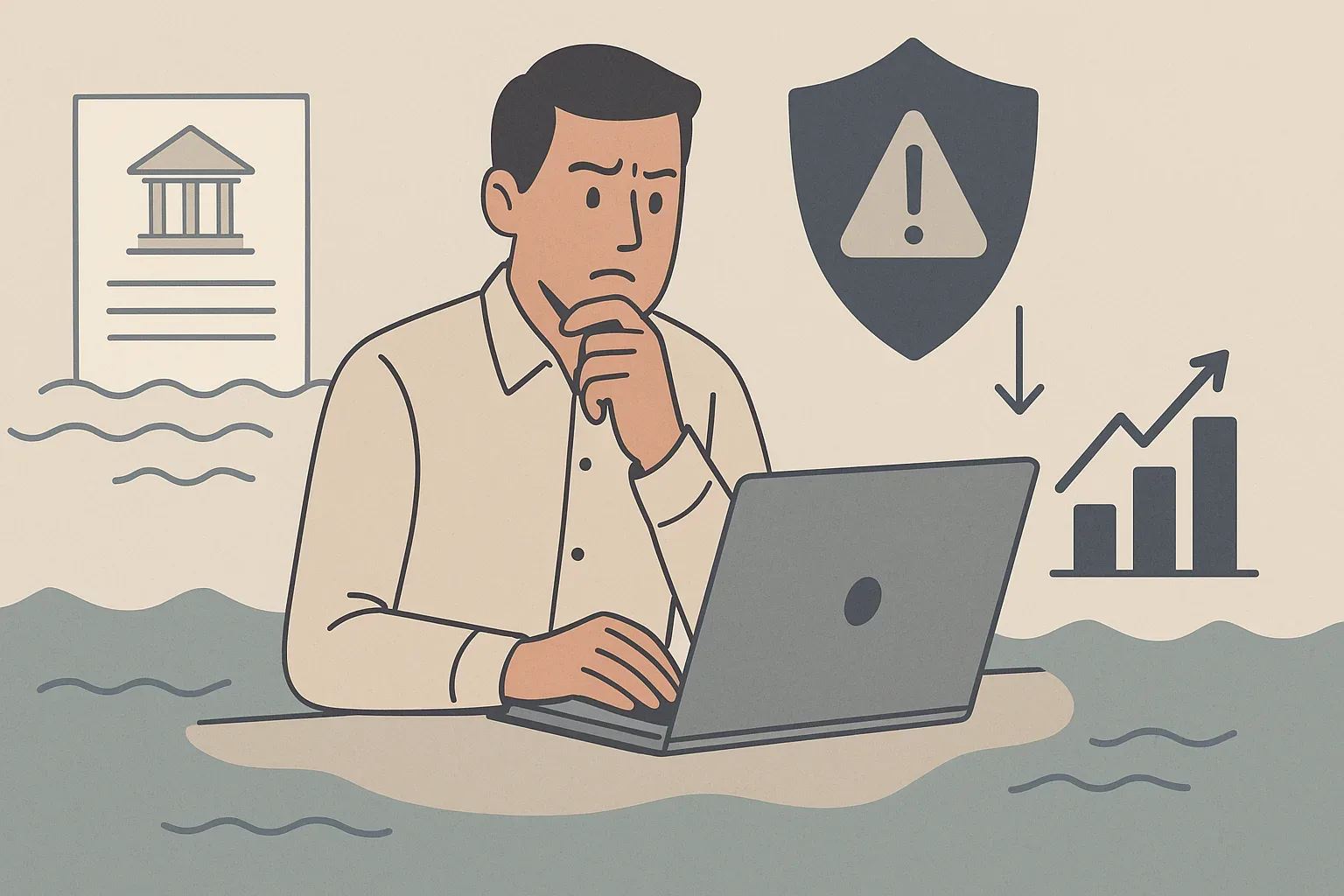
Offshore forex brokers often attract traders with promises of high leverage and easy access, but these advantages come with significant, often severe, risks due to minimal regulatory oversight, insecure client fund protection, and unreliable operational environments. This guide breaks down how to identify, understand, and mitigate these unique dangers.
How to Evaluate Forex Broker Support
This insider's guide delivers an actionable framework for systematically evaluating forex broker support, focusing on practical testing methods and key performance indicators critical for experienced traders. Learn to assess responsiveness, expertise, and problem resolution across all support channels.
Earn Bigger Profits With Algo Trading
Do you want to make the most of your forex trading but you can’t keep track of the market because you have many other things to do? Do you find it difficult to focus on the many graphs, charts, moving indicators and…