How to Evaluate Forex Broker Support
This insider's guide delivers an actionable framework for systematically evaluating forex broker support, focusing on practical testing methods and key performance indicators critical for experienced traders. Learn to assess responsiveness, expertise, and problem resolution across all support channels.
- Author
- InvestLegacy contributor
- Originally published
- Editorially modified
- Fact-checked
- Not yet fact-checked
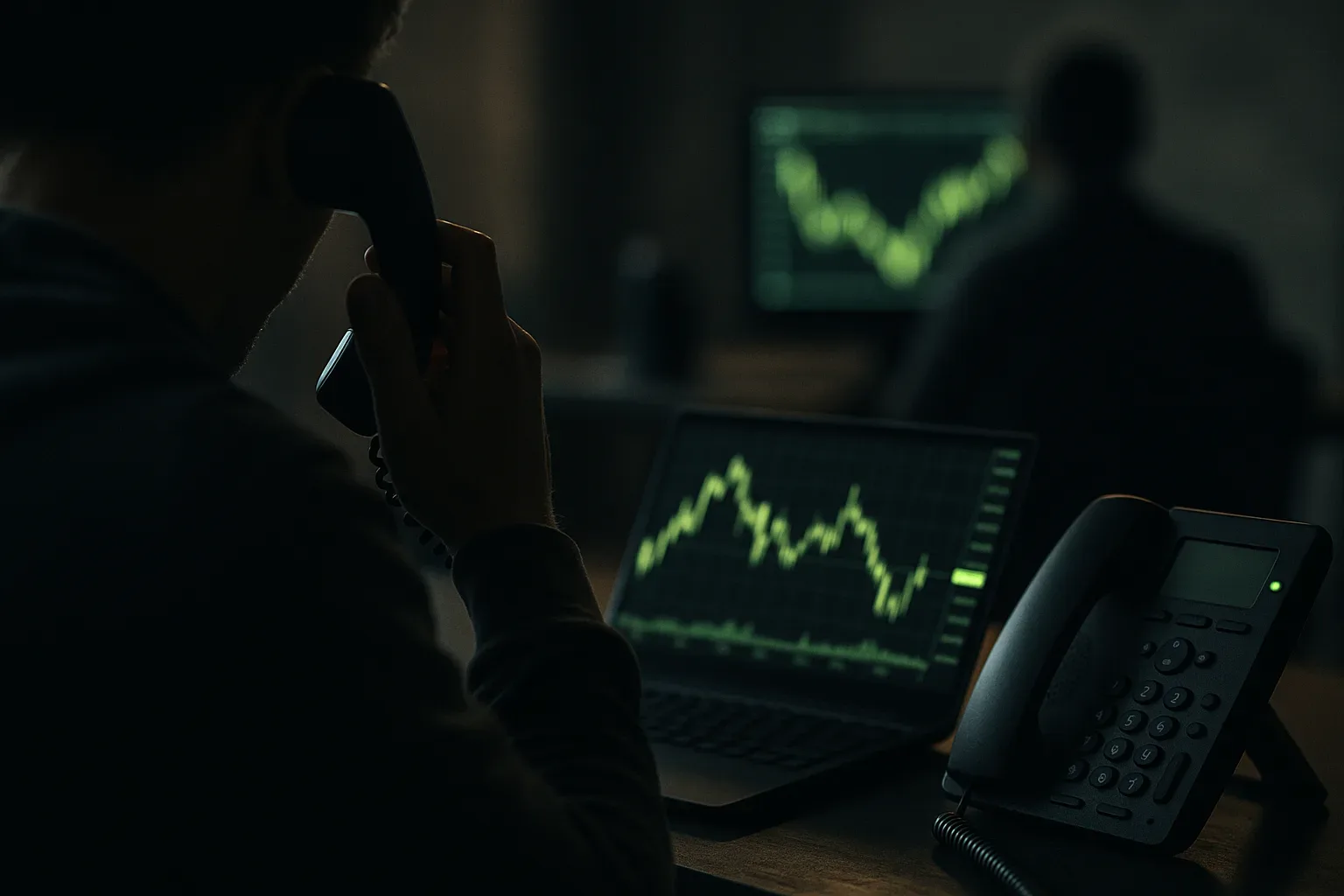
Why Forex Broker Support Is Non-Negotiable for Serious Traders
An unavailable or incompetent support team can translate directly into missed opportunities, significant financial losses, or prolonged account disruptions. Without it, even the most promising trading strategy can be undermined by operational frustrations.
Defining Excellent Support: Key Pillars of a Reliable Forex Broker
Beyond these foundational aspects, true excellence is characterized by the depth of knowledge and expertise of support agents, their efficiency in delivering accurate solutions, and a proactive approach to potential issues. Excellent support means agents are not just processing tickets but are equipped to handle complex technical queries about platform functionality, API integrations, and advanced order types. They should also possess a thorough understanding of account management specifics, including funding, withdrawals, and regulatory compliance.
The Live Test: Practical Strategies to Evaluate Each Support Channel
Begin by interacting with each available support channel: live chat, phone, and email. For live chat, initiate a conversation during peak trading hours with a mix of simple and moderately complex questions. Ask about specific platform features, such as how to set up an Expert Advisor, or details regarding overnight swap rates for a less common currency pair. Note the initial response time, the clarity of the agent's language, and their ability to provide precise, unambiguous answers without excessive jargon or boilerplate text. For phone support, call during varying times of the day to assess consistency. Prepare questions that might require slightly more explanation, such as the procedure for disputing a trade or the specifics of a bonus condition's terms and conditions. Email support should be tested with more detailed inquiries that might require research or documentation, like a hypothetical query about a past trade's execution details or a specific regulatory compliance question. Evaluate the response time (which will naturally be longer, typically 24-48 hours), the thoroughness of the answer, and whether all aspects of your query were addressed comprehensively. Document every interaction, including timestamps, agent names (if provided), and the quality of the resolution.
How do different support channels (live chat, phone, email) vary in effectiveness, and what should I expect from each?
Expect near-instantaneous initial responses, usually within seconds to a few minutes. It is ideal for simple platform navigation questions, checking market hours, or clarifying basic account information. Phone support is typically the most effective for urgent, complex, or sensitive matters that require direct human interaction and detailed explanation. Expect slightly longer wait times than chat, but once connected, you should anticipate a knowledgeable agent who can engage in a dynamic conversation, understand nuanced problems, and potentially escalate issues in real-time. Email support, conversely, is best suited for non-urgent, detailed inquiries that may require attachments, documentation, or extensive research. Expect response times to be longer, usually within 24 to 48 hours, but the effectiveness comes from the ability to provide comprehensive, written answers that serve as an audit trail. It is ideal for submitting complex account opening documents, requesting detailed trade reports, or querying specific legal or regulatory aspects of the service.
Assessing Responsiveness, Expertise, and Problem Resolution
Responsiveness is measured by the speed at which a support agent initially acknowledges and then begins to address your query. For live chat, anything beyond a few minutes is often considered slow. For phone support, excessive hold times (over 5-10 minutes) are a red flag. Email responses, while inherently slower, should still adhere to the stated service level agreements, typically within 24-48 hours. Beyond initial contact, assess the speed of follow-up and internal escalations. Expertise refers to the depth and accuracy of the information provided by the agent. Do they truly understand your question, or are they relying on generic scripts? Can they answer follow-up questions without hesitation or referring you to another department for every detail? A highly expert agent can explain complex trading concepts, platform mechanics, or regulatory nuances clearly and concisely. Did the agent not only answer your question but also genuinely solve your underlying problem on the first contact? If not, was the escalation process transparent and efficient? A high first-contact resolution rate indicates a well-trained and empowered support team.
Beyond the Basics: Specialized Support and Account Management
Account management, particularly for VIP or institutional clients, often includes a dedicated account manager. This individual acts as a single point of contact for all queries, from account funding and withdrawal processing to specific market insights or tailored trading conditions. They can facilitate faster processing times, provide market updates, or even offer bespoke educational resources.
Red Flags and Warning Signs: When to Walk Away
Identifying red flags in a broker's support can save traders from significant frustration and potential financial losses. Certain indicators strongly suggest poor service quality and signal when it is prudent to seek alternatives. Generic, templated responses that fail to address the specific nuances of your query are equally concerning, indicating a lack of genuine effort or expertise. Inability to resolve basic issues, or repeatedly being passed between departments without a clear resolution path, points to systemic organizational problems. Beware of support agents who exhibit aggressive sales tactics, attempt to pressure you into depositing more funds, or provide evasive answers, particularly regarding withdrawals or regulatory compliance. Inconsistent information from different agents, or across different support channels, is a critical red flag, signaling a lack of internal training or communication. Language barriers that impede effective communication can also be a major hindrance. Any sign of a broker being unresponsive to withdrawal requests, or delaying them without clear justification, should immediately raise alarms, as detailed in articles like https://forextradinginsider.net/articles/signs-of-a-fraudulent-forex-broker. Similarly, a lack of transparency about their licensing and regulatory status, despite regulatory requirements (see https://forextradinginsider.net/articles/forex-broker-licensing-requirements-explained), in their support interactions is a severe warning sign. When these patterns emerge, it is a strong indicator that the broker may not be a reliable partner, and walking away is often the safest course of action.
Integrating Community Feedback and Reviews into Your Assessment
While personal live testing provides invaluable first-hand experience, integrating community feedback and reviews into your assessment offers a broader perspective and helps validate your findings. Start by researching reputable independent review sites, forex forums, and social media groups where traders openly discuss their experiences. Look for recurring patterns in complaints and praise rather than focusing on isolated incidents. If multiple traders consistently report issues with slow withdrawals, unresponsive support, or technical glitches, these are strong indicators of systemic problems. Conversely, consistent positive mentions of efficient problem resolution, knowledgeable agents, or quick response times can reinforce your own positive observations. Be wary of overly enthusiastic or extremely negative reviews that lack specific details, as these can often be fake or emotionally driven. Cross-reference information from several sources to build a comprehensive picture. For example, if your personal test of live chat was excellent, but community feedback frequently highlights email support issues, you gain a more balanced view of the broker's overall service. This integrated approach allows you to triangulate information, identifying areas of consistent strength or weakness that might not be immediately apparent from your individual interactions, leading to a more robust and informed evaluation.
Your Support Evaluation Checklist: A Systematic Approach to Choosing Wisely
Adopting a systematic approach to evaluating forex broker support can significantly refine your selection process. Begin by confirming the broker's stated support hours and available channels, ensuring they align with your trading schedule and preferred communication methods. Conduct live tests across live chat, phone, and email, noting initial response times for each channel. For live chat, evaluate how quickly an agent engages and their ability to address simple platform or account queries. During phone calls, assess wait times, the agent's professionalism, and their capacity to handle more complex technical or account-specific questions without excessive transfers. Email testing should focus on the thoroughness and accuracy of responses to detailed inquiries within the stated service level agreement. Objectively grade the expertise of the agents encountered, observing if they provide precise, actionable solutions or generic, unhelpful advice. Critically evaluate the problem resolution process: was your issue fully resolved on first contact, or did it require multiple interactions and escalations? Track whether the support consistently offers transparent and consistent information across all channels. Scrutinize for any red flags, such as aggressive sales tactics, evasive answers regarding withdrawals, or pressure to deposit more funds. Finally, integrate qualitative data by cross-referencing your findings with broad community feedback and reputable third-party reviews, looking for corroborating evidence or conflicting patterns. This comprehensive checklist transforms the subjective experience of customer service into an objective assessment, empowering you to choose a broker whose support truly underpins your trading success.
Risk disclosure
Trading Insider provides news, reviews, analysis, and educational information only. Nothing on this website is financial, investment, trading, legal, recovery, or tax advice. Forex, CFDs, cryptoassets, spread betting, binary options, and other leveraged or speculative products can result in substantial or total loss. Verify provider claims, regulatory status, fees, and risks independently before acting.
Sources and evidence
No verified source list was recoverable for this archived record. Any external links kept in the body are preserved from the original publication for audit purposes only and are not endorsements.
Disclosure: No commercial or affiliate relationship has been evidenced for this record. Affiliate status is recorded as unknown rather than assumed either way.
More from the archive

How to Check a Forex Broker's Financial Stability
This practical guide empowers forex traders to independently assess and verify a broker's financial health, scrutinizing key indicators and transparency beyond basic regulatory status.

What Are Offshore Forex Brokers Risks
Offshore forex brokers often attract traders with promises of high leverage and easy access, but these advantages come with significant, often severe, risks due to minimal regulatory oversight, insecure client fund protection, and unreliable operational environments. This guide breaks down how to identify, understand, and mitigate these unique dangers.
Earn Bigger Profits With Algo Trading
Do you want to make the most of your forex trading but you can’t keep track of the market because you have many other things to do? Do you find it difficult to focus on the many graphs, charts, moving indicators and…